Reflecting a growing shift towards everyday movement and more mindful approaches to staying healthy
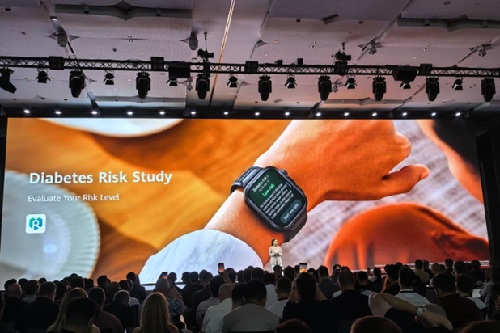
KUALA LUMPUR, 7 MAY 2026 – Huawei held the “Now Is Your Spark” global product launch in Bangkok, Thailand, where the brand unveiled a range of new innovations across its connected device ecosystem. Among the highlights revealed were the HUAWEI WATCH FIT 5 Series and the HUAWEI WATCH ULTIMATE DESIGN Spring Edition, reflecting Huawei’s continued focus on blending intelligent technology with design-led experiences for modern lifestyles.
The HUAWEI WATCH FIT 5 Series marks Huawei’s latest evolution in smart wearable innovation, introducing a refreshed approach to health, fitness, and personal style. Designed to support more active and flexible lifestyles, the series combines thoughtful functionality with a sleek, vibrant aesthetic tailored for everyday wear.
The HUAWEI WATCH FIT 5 Series retains its signature square design while introducing refined craftsmanship and expressive new colourways. The HUAWEI WATCH FIT 5 will be available in Silver, Purple, White, Black, and Green, while the HUAWEI WATCH FIT 5 Pro comes in Orange, White, and Black for a bolder, more active look. The Pro edition further elevates its design with an innovative oil-filling technique that enhances colour depth, alongside Aerospace-Grade Nanoceramic Metal in the White edition for a more premium finish.
Beyond aesthetics, the HUAWEI WATCH FIT 5 Series also introduces more advanced health management features. The Pro edition includes pulse wave-based A-fib alerts, ECG functionality, arterial stiffness detection, and the newly introduced Diabetes Risk Study, supporting greater awareness and a more proactive approach to personal wellbeing.
Reflecting a growing shift towards more accessible forms of movement, the HUAWEI WATCH FIT 5 Series also introduces the new mini-workout watch face to the WATCH FIT Series. Designed to encourage short, guided exercises throughout the day, the feature includes a playful panda companion that delivers motivational prompts based on users’ activity patterns. Completing mini-workouts also unlocks city-themed watch faces inspired by iconic global landmarks, creating a more interactive and engaging fitness experience.
Alongside the HUAWEI WATCH FIT 5 Series, Huawei also introduced the HUAWEI WATCH ULTIMATE DESIGN Spring Edition in collaboration with renowned jewellery designer Francesca Amfitheatrof. Inspired by the blooming beauty of spring, the timepiece features 99 natural diamonds and diamond-cut sapphire glass, celebrating feminine strength and vitality through elevated craftsmanship and design.
Balancing intelligent functionality with lifestyle-driven design, the HUAWEI WATCH FIT 5 Series reflects how wearables are increasingly becoming a seamless part of modern daily routines. The HUAWEI WATCH FIT 5 Series will soon be available in Malaysia at all HUAWEI Experience Stores, the HUAWEI Official Website, HUAWEI Official Store on Shopee, HUAWEI Flagship Store on Lazada, and the HUAWEI Official TikTok Shop.
To find out more about the latest Huawei news, please visit the HUAWEI Official Website, the HUAWEI Official Facebook page, or Instagram.